
Lenten Devotional 2026
This Lenten devotional invites readers to walk slowly and honestly through the season of Lent, guided by Scripture and the hymns of the Christian faith. Beginning with Ash Wednesday and moving toward Easter morning, each day offers reflection, prayer, and sacred song that draw the heart toward repentance, trust, and hope. Through familiar hymns and biblical passages, this devotional creates space to pause, listen, and return to God—remembering that Lent is not a journey of condemnation, but one of grace, renewal, and resurrection.
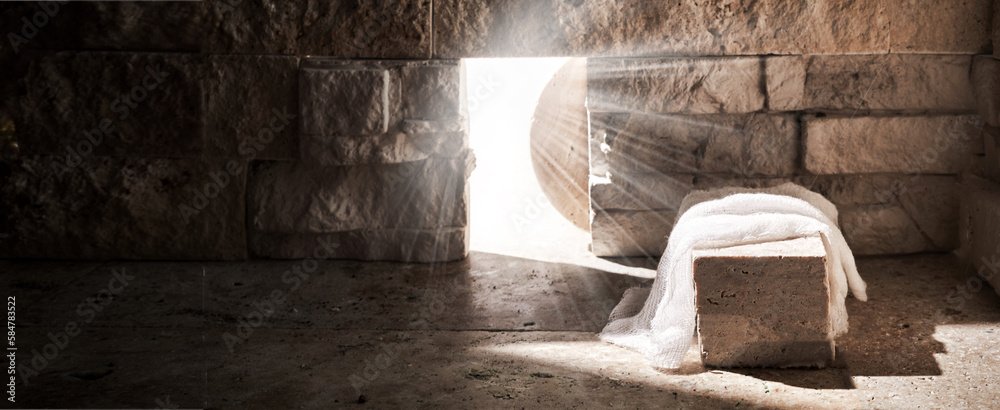
Easter Sunday, April 5 - Christ, the Lord, Is Risen Today
Scripture:
“He is not here; for he has been raised, as he said.” — Matthew 28:6
Hymn Focus:
Christ, the Lord, Is Risen Today
“Christ, the Lord, is risen today, Alleluia!”
“Love’s redeeming work is done, Alleluia!”
“Soar we now where Christ has led, Alleluia!”
Easter morning breaks the silence of the tomb with a song of joy. The hymn Christ, the Lord, Is Risen Today invites us to join that first chorus of Alleluia—not as spectators, but as people whose lives have been changed by resurrection.
The hymn declares a finished work: “Love’s redeeming work is done.” Easter proclaims that sin, suffering, and death do not have the final word. What was begun in humility and sacrifice has been completed in victory. The empty tomb stands as God’s resounding “yes” to life, hope, and new beginnings.
Yet Easter joy is not only about what happened to Jesus; it is about what now happens to us. “Soar we now where Christ has led.” Resurrection pulls us forward. We are invited to rise with Christ—out of fear, despair, and old patterns—into lives shaped by forgiveness, courage, and love.
Easter does not erase the wounds of Good Friday; it transforms them. The risen Christ still bears the marks of the cross, reminding us that God’s victory comes through self-giving love. Because Christ lives, nothing we face is beyond redemption.
Prayer
Risen Lord, We praise you with glad hearts this Easter day. Thank you that love has triumphed and death has been defeated. Lift us from fear into faith, from despair into hope, from silence into joyful praise. Help us to live as Easter people, bearing witness to your risen life in all that we do. Alleluia! Amen.

Holy Saturday, April 4 - When I Survey the Wondrous Cross
Scripture:
“May I never boast of anything except the cross of our Lord Jesus Christ, by which the world has been crucified to me, and I to the world.” — Galatians 6:14
Hymn Focus:
When I Survey the Wondrous Cross
“When I survey the wondrous cross on which the Prince of glory died.”
“Love so amazing, so divine, demands my soul, my life, my all.”
Lent invites us to pause and survey—to look long and honestly at the cross. Isaac Watts’s hymn asks us not merely to glance at Christ’s suffering, but to consider it deeply. In that careful looking, our values are rearranged and our pride is undone.
The hymn begins with wonder and quickly moves to humility. Standing before the cross, the symbols of human achievement lose their shine. “My richest gain I count but loss.” Lent helps us name what we cling to for security or status and lay it down, recognizing that true life is found not in self-exaltation but in self-giving love.
As we continue to survey the cross, we see love made visible and costly. Christ’s sacrifice reveals both the gravity of sin and the immensity of grace. Lent holds these truths together: repentance shaped by honesty and hope rooted in mercy.
The hymn’s final line presses toward response. To behold such love is to be called into transformation. Lent is not only a season of reflection; it is a season of reorientation—where our lives are aligned again with the love that “demands my soul, my life, my all.”
Prayer
Crucified and risen Lord, As we survey the wondrous cross this Lenten season, strip away our pride and self-reliance. Open our eyes to see your love clearly and our hearts to receive it deeply. May gratitude shape our repentance and devotion guide our lives, as we follow you in humility and hope. Amen.

Good Friday, April 3 - O Sacred Head Now Wounded
Scripture:
“They stripped him and put a scarlet robe on him, and after twisting some thorns into a crown, they put it on his head.” — Matthew 27:28–29a
Hymn Focus:
O Sacred Head, Now Wounded
“O sacred head, now wounded, with grief and shame weighed down.”
“What thou, my Lord, hast suffered was all for sinners’ gain.”
Lent invites us to look steadily at the suffering of Christ—not to turn away in discomfort, but to behold love revealed through pain. The hymn O Sacred Head, Now Wounded draws our attention to Jesus’ wounded head, crowned with thorns, bearing humiliation and sorrow for the sake of the world.
The imagery is deeply personal. This is not distant suffering; it is intimate and costly. Lent teaches us to sit with this truth: the shame Christ endured was not accidental or deserved—it was willingly embraced. “All for sinners’ gain.” When we face the cross honestly, we begin to understand the depth of God’s love and the seriousness of sin.
The hymn does not dwell on suffering alone. It invites response. To contemplate Christ’s wounded head is to be moved toward repentance shaped by gratitude. Lent helps us recognize that transformation begins not with our effort, but with our willingness to receive what Christ has already given.
As we move closer to Holy Week, this hymn encourages a posture of humility and devotion. Gazing upon Christ’s suffering, we learn what love looks like when it goes to the very end. The cross becomes not only a place of sorrow, but a wellspring of hope.
Prayer
Suffering Savior, In this Lenten season, draw our hearts toward the cross. As we behold your wounded love, soften our hearts and deepen our repentance. Let gratitude shape our obedience and humility guide our steps, as we follow you in trust and love. Amen.

Maundy Thursday, April 2 - Go to Dark Gethsemane
Scripture:
“Then Jesus went with them to a place called Gethsemane; and he said to his disciples, ‘Sit here while I go over there and pray.’” — Matthew 26:36
Hymn Focus:
Go to Dark Gethsemane
“Go to dark Gethsemane, ye that feel the tempter’s power.”
“Learn of Jesus Christ to pray.”
Lent invites us into the shadows of Holy Week, and the hymn Go to Dark Gethsemane asks us not to look away. Before the cross, there is the garden—a place of fear, surrender, and faithful prayer. Gethsemane reveals the depth of Christ’s obedience and the cost of love.
In the garden, Jesus does not hide his anguish. He prays honestly, naming his desire for deliverance even as he yields himself fully to the Father’s will. Lent teaches us that faith does not require emotional strength or certainty; it requires trust expressed through prayer. In our own moments of temptation and fear, we are invited to learn from Christ how to pray.
The hymn’s command—“Go to dark Gethsemane”—is an invitation to accompany Jesus in his suffering. Lent slows us down so we can remain with him, resisting the urge to rush ahead to resurrection. In the garden, we see a Savior who understands our weakness and chooses obedience for the sake of the world.
As we journey toward the cross, Gethsemane becomes a mirror for our own lives. We, too, face moments where faith is costly and surrender is hard. Lent reminds us that in those moments, prayer becomes both our refuge and our strength.
Prayer
Suffering and faithful Christ, In this Lenten season, draw us into the quiet of the garden. When fear or temptation weighs on us, teach us to pray as you prayed— with honesty, humility, and trust. Strengthen us to follow you even when the path is dark, knowing that your obedience leads to life. Amen.

Wednesday, April 1 - What Wondrous Love Is This
Scripture:
“God proves his love for us in that while we still were sinners Christ died for us.” — Romans 5:8
Hymn Focus:
What Wondrous Love Is This
“What wondrous love is this, O my soul, O my soul.”
“That caused the Lord of bliss to bear the dreadful curse for my soul.”
Lent invites us to dwell in holy wonder. The hymn What Wondrous Love Is This does not try to explain the cross; instead, it marvels at it. Its repeated question opens space for awe—a response that words can barely contain.
The hymn confronts us with the mystery at the heart of Lent: the Lord of glory willingly bears suffering for the sake of sinners. This is not a love that waits for worthiness or reward. It is a love freely given, costly and undeserved. Lent helps us slow down enough to feel the weight of that truth.
As we follow Jesus toward the cross, we recognize that this love is both humbling and transforming. The hymn’s focus on “my soul” makes the cross deeply personal. Christ’s sacrifice is not abstract theology—it is love directed toward each of us, meeting us in our brokenness and calling us into new life.
The hymn also looks ahead to response: “To God and to the Lamb I will sing.” Lent teaches us that repentance naturally leads to praise. When we truly encounter wondrous love, gratitude reshapes our priorities, our choices, and our devotion.
Prayer
God of wondrous love, In this Lenten season, draw us into awe at the cross. When we are tempted to rush past the mystery of grace, help us to linger and wonder. Let the love revealed in Christ humble our hearts, renew our faith, and inspire our lives of praise. Amen.

Tuesday, March 31 - Were You There?
Scripture:
“Now when the centurion saw what had taken place, he praised God and said, ‘Certainly this man was innocent.’” — Luke 23:47
Hymn Focus:
Were You There?
“Were you there when they crucified my Lord?”
“Sometimes it causes me to tremble, tremble, tremble.”
Lent invites us not only to remember the cross, but to stand before it. The spiritual Were You There? does not rush past the crucifixion with explanations or answers. Instead, it asks a question that draws us into the scene and into ourselves.
To ask “Were you there?” is to confront the reality of Christ’s suffering and our relationship to it. Lent creates space for this holy discomfort. The hymn’s refrain—“sometimes it causes me to tremble”—names the response that arises when we truly see the cost of grace. Awe, sorrow, gratitude, and repentance meet at the foot of the cross.
The hymn’s simple verses move through the events of the Passion, inviting us to linger with each moment. Lent teaches us that faith is shaped not only by resurrection joy, but by honest engagement with suffering and death. We do not hurry to Easter; we remain with Jesus in the shadows.
As we journey toward Holy Week, this hymn asks us to place ourselves at the cross—not as spectators, but as those changed by what we witness. To be “there” is to allow Christ’s sacrifice to awaken repentance and deepen love, shaping how we live and whom we serve.
Prayer
Crucified Lord, In this Lenten season, draw us close to the cross. When we are tempted to look away, give us courage to remain. Let the sight of your suffering soften our hearts, deepe and strengthen our love. Amen.

Monday, March 30 - Man of Sorrows
Scripture:
“He was despised and rejected by others; a man of suffering and acquainted with grief… Surely he has borne our infirmities and carried our diseases.” — Isaiah 53:3–4
Hymn Focus:
Man of Sorrows
“Man of Sorrows! what a name for the Son of God, who came.”
“Ruined sinners to reclaim—Hallelujah! what a Savior!”
This Lenten hymn has always puzzled me because it includes the word “Hallelujah,” which we traditionally don’t say or sing during the season of Lent. Yet here it is.
Lent draws us close to the suffering heart of Christ. The hymn Man of Sorrows does not soften the reality of Jesus’ pain; it names it plainly. To call Jesus a “man of sorrows” is to confess that God chose to enter fully into human grief—betrayal, rejection, and anguish—for the sake of love.
Isaiah’s words prepare us to see this truth without turning away. Jesus does not merely observe suffering from a distance; he bears it. Lent helps us recognize that Christ’s suffering is not accidental or meaningless. It is the path by which broken lives are reclaimed and hope is restored.
The hymn holds sorrow and praise together. Even as it recounts Christ’s wounds, it breaks into gratitude: “Hallelujah! what a Savior!” Lent teaches us this holy tension—grief for sin and suffering, gratitude for mercy and redemption. At the cross, we see the cost of grace and the depth of God’s love at once.
As we move toward Holy Week, this hymn invites us to bring our own sorrows to Jesus. The One who knows grief is able to meet us in it. Lent assures us that our pain is neither ignored nor wasted; it is carried by Christ, who transforms suffering into salvation.
Prayer
Suffering Savior, In this Lenten season, help us to behold your love made visible in wounds freely borne for our sake. When we carry sorrow or shame, draw us close to the cross. May your suffering redeem our lives, and your mercy lead us into hope, now and always. Amen.

Palm Sunday, March 29 - All Glory, Laud, and Honor
Scripture:
“Blessed is the king who comes in the name of the Lord! Peace in heaven, and glory in the highest heaven!” — Luke 19:38
Hymn Focus:
All Glory, Laud, and Honor
“All glory, laud, and honor to thee, Redeemer, King!”
“Thou art the King of Israel, thou David’s royal Son.”
Lent carries us toward Jerusalem. Along the way, we learn humility, repentance, and trust. The hymn All Glory, Laud, and Honor meets us at a pivotal moment in this journey—Jesus’ entry into the city, where praise and paradox stand side by side.
The crowds shout “Hosanna!” and wave palms, naming Jesus as king. Yet this king arrives not with power or spectacle, but riding on a donkey. Lent helps us recognize the kind of king Jesus is—one whose glory is revealed through humility and whose throne will be a cross.
The hymn holds together joy and foreboding. “The company of angels are praising thee on high,” it sings, even as the path ahead leads toward suffering. Lent invites us to praise Christ not only when the road is triumphant, but when it is costly. True devotion follows Jesus beyond celebration into obedience.
As Holy Week approaches, this hymn asks an important question of us: Will we praise Jesus only when it is easy, or will we follow him all the way? Lent teaches us that genuine honor is not only spoken—it is lived, shaped by faithfulness, courage, and love.
Prayer
Redeeming King, As we walk the “Lenten road” toward Jerusalem, teach us what it means to honor you truly. When we are tempted to praise with words alone, draw us into lives of faithful obedience. Receive our songs, our service, and our surrender, as we follow you with humility and hope. Amen.

Saturday, March 28—Jesus Paid It All
Scripture:
“For the wages of sin is death, but the free gift of God is eternal life in Christ Jesus our Lord.” — Romans 6:23
Hymn Focus:
Jesus Paid It All
“Jesus paid it all, all to Him I owe.”
“Sin had left a crimson stain; He washed it white as snow.”
Lent leads us steadily to the cross, where we confront both the weight of sin and the wonder of grace. The hymn Jesus Paid It All speaks with clarity into this season: what we could never repair, Christ has fully redeemed.
The hymn does not minimize human responsibility. It names sin honestly—“a crimson stain.” Lent invites us into that same honesty, encouraging confession and repentance. Yet the hymn refuses to let sin be the final word. What stains our lives beyond our ability to cleanse is met by Christ’s complete and sufficient sacrifice.
“All to Him I owe” is not a statement of debt driven by fear, but a response shaped by gratitude. Lent teaches us that obedience flows from grace, not obligation. Because Jesus paid it all, we are freed from striving to earn God’s favor and invited instead to live transformed lives marked by humility and love.
As we move closer to Holy Week, this hymn anchors us in the heart of the gospel. The cross is not a partial solution—it is finished work. Lent becomes a season not of despair, but of deep trust in the mercy that washes us clean and makes us new.
Prayer
Redeeming Christ, In this Lenten season, help us to see clearly the cost of grace. When we are tempted to carry guilt or earn forgiveness, remind us that you have paid it all. Wash us clean, renew our hearts, and shape our lives in grateful response to your saving love. Amen.

Friday, March 27 - I Stand Amazed in the Presence
Scripture:
“He was despised and rejected by others; a man of suffering and acquainted with infirmity… surely he has borne our infirmities and carried our diseases.” — Isaiah 53:3–4
Hymn Focus:
I Stand Amazed in the Presence
“I stand amazed in the presence of Jesus the Nazarene.”
“How marvelous! How wonderful! And my song shall ever be.”
Lent is a season of returning—returning to God, returning to truth, returning to the place where grace first met us. The hymn “Jesus, Keep Me Near the Cross” is a quiet prayer of the heart, asking not for escape from hardship, but for nearness to Christ in every circumstance.
To ask to be kept near the cross is to acknowledge how easily we drift. We become distracted by comfort, overwhelmed by worry, or weighed down by guilt. Lent gently draws us back, reminding us that the cross is not only the place of Christ’s suffering, but the source of our healing and hope. The “precious fountain” flowing from the cross speaks of forgiveness that never runs dry.
The hymn names the cross as both refuge and strength:
“Near the cross, a trembling soul,
Love and mercy found me.”
Here, our fear is met with compassion. Our trembling is not dismissed, but welcomed. Lent invites us to bring our weakness honestly before God, trusting that love and mercy still meet us there.
As the hymn continues, it looks beyond the present moment to God’s sustaining grace:
“Near the cross I’ll watch and wait,
Hoping, trusting ever.”
Lent teaches us to wait—to sit with unanswered questions, to hold faith even when the path is unclear. Staying near the cross anchors us in hope, reminding us that God’s promises are sure, even when fulfillment seems distant.
This hymn also points us forward:
“Till I reach the golden strand,
Just beyond the river.”
The cross stands not only at the center of our repentance, but at the doorway to eternal life. The hope of resurrection gives meaning to our waiting and courage to our faith.
During this Lenten season, let this hymn become your prayer. Ask Jesus to keep you near the cross—near mercy when you fail, near love when you are afraid, and near hope when you are weary.
Prayer
Suffering and saving Christ, In this Lenten season, draw us into holy wonder. Help us to behold your love made visible, your mercy made costly, your grace made complete. As we stand amazed in your presence, shape our lives in gratitude and praise, for your love is truly marvelous and wonderful. Amen.

Thursday, March 26 -Just As I Am, Without One Plea
Scripture:
“While we still were sinners, Christ died for us.” — Romans 5:8
Hymn Focus:
Just As I Am, without One Plea
“Just as I am, without one plea, but that Thy blood was shed for me.”
“O Lamb of God, I come, I come.”
Lent invites us to come honestly before God—without excuses, without disguises, without bargaining. The hymn Just As I Am captures this posture with quiet clarity. We do not approach God with a list of achievements or promises of improvement. We come because Christ has already made a way.
The line “without one plea” is especially fitting for Lent. It reminds us that repentance is not a negotiation. We do not plead our case; we receive grace. Lent strips away our defenses and reveals our need, not to shame us, but to free us. At the cross, our need meets God’s mercy.
The hymn’s repeated confession—“I come”—is an act of trust. Coming to Jesus means believing that we are welcomed as we are, even while we are being changed. Lent teaches us that transformation begins not with self-fixing, but with surrender—placing our whole selves in God’s care.
As we move toward Holy Week, this hymn draws us closer to the heart of the gospel. Christ, the Lamb of God, sheds his blood not for the righteous, but for sinners. Lent becomes a journey of returning again and again to that truth, allowing grace to shape us more deeply.
Prayer
Gracious God, In this Lenten season, we come to you just as we are— with our wounds, our doubts, and our hopes. Thank you for welcoming us not because of what we have done, but because of what Christ has done for us. Receive us, renew us, and lead us in the way of life. Amen.

Wednesday, March 25 Softly and Tenderly Jesus Is Calling
Scripture:
“Listen! I am standing at the door, knocking; if you hear my voice and open the door, I will come in to you.” — Revelation 3:20
Hymn Focus:
Softly and Tenderly Jesus Is Calling
“Softly and tenderly Jesus is calling, calling for you and for me.”
“Come home, come home, ye who are weary, come home.”
Lent is a season of invitation. While it calls us to repentance and self-examination, it also reminds us of the manner in which Christ calls—softly and tenderly. This hymn assures us that Jesus’ voice is not harsh or condemning. It is patient, compassionate, and persistent.
The words “calling for you and for me” emphasize the personal nature of Christ’s invitation. Lent helps us quiet the noise of life so we can hear that voice again. We may have wandered in visible ways or in subtle ones—through distraction, fatigue, or indifference. Still, Jesus calls us not with anger, but with love.
The repeated invitation to “come home” speaks to the heart of Lent. To come home is to return—to God, to truth, to grace. It does not require perfection, only openness. The hymn reminds us that Christ waits not for us to fix ourselves, but for us to respond.
As we move toward the cross, we see the depth of this tender call. Jesus goes to great lengths to make our return possible. Lent teaches us that repentance is not driven by fear, but drawn by love—the love that waits, calls, and welcomes us home.
Prayer
Gentle Savior, In this Lenten season, help us to hear your tender call. When we are weary or far away, draw us home by your mercy. Quiet our hearts, open our lives, and help us respond with trust and humility, for you call us in love. Amen.

Tuesday, March 24 I Want Jesus to Walk with Me
Scripture:
“Even though I walk through the darkest valley, I fear no evil; for you are with me.” — Psalm 23:4
Hymn Focus:
I Want Jesus to Walk with Me
“I want Jesus to walk with me.”
“When I’m in trouble, Lord, walk with me.”
“When my head is bowed in sorrow, Lord, walk with me.”
Lent is a journey marked by honesty about sorrow, temptation, and uncertainty. The spiritual I Want Jesus to Walk with Me gives voice to a simple, trusting prayer: not to be spared from difficulty, but to be accompanied through it.
The hymn’s refrain is repeated in moments of trouble and grief, reminding us that faith does not deny pain. Instead, it seeks presence. Lent teaches us that Jesus does not stand at a distance from our suffering. He walks the road with us—into the wilderness, toward the cross, and through the valley of shadows.
Each line of the hymn names a posture we recognize in Lent: trouble, bowed heads, sorrowful hearts. The prayer is not elaborate or polished; it is honest and heartfelt. In this season, we learn that discipleship often looks like placing one foot in front of the other, trusting that Christ’s presence is enough for the next step.
As we move closer to Holy Week, we remember that Jesus himself walked a road of suffering. He knows the weight of sorrow and the cost of obedience. Lent assures us that when we ask Jesus to walk with us, we are praying to One who understands—and who remains faithful all the way to resurrection hope.
Prayer
Companion Christ, As we walk the “Lenten road,” we ask not for an easy path, but for your faithful presence. When we are troubled or bowed down in sorrow, walk with us. Strengthen our trust, steady our steps, and lead us through the valley into the light of new life. Amen.

Monday, March 23 Lord, I Want to Be a Christian in My Heart
Scripture:
“Create in me a clean heart, O God, and put a new and right spirit within me.” — Psalm 51:10
Hymn Focus:
Lord, I Want to Be a Christian in My Heart
“Lord, I want to be a Christian in my heart.”
“Lord, I want to be more loving in my heart.”
“Lord, I want to be like Jesus in my heart.”
Lent turns our attention inward—not to promote guilt, but to invite transformation. The spiritual Lord, I Want to Be a Christian in My Heart is a prayer of deep simplicity. It reminds us that faith is not first about appearances, roles, or words, but about the condition of the heart.
The hymn’s repeated phrase “in my heart” echoes the central work of Lent. We may change our routines, fast from comforts, or add spiritual practices, but the true question remains: Who are we becoming? Lent calls us to allow God to shape our inner life—our desires, motivations, and loves.
The hymn expands the prayer beyond identity to character: more loving… more holy… like Jesus. These are not achievements we accomplish by effort alone. Like the psalmist, we ask God to create in us what we cannot form on our own. Repentance becomes an opening through which grace can work.
As we journey toward the cross, we see what a transformed heart looks like in Jesus himself—humble, obedient, compassionate, and faithful even unto death. Lent invites us to pray not only for forgiveness, but for formation: hearts aligned more closely with Christ.
Prayer
Holy God, In this Lenten season, we bring our hearts before you— honestly, humbly, and expectantly. Create in us what we cannot create ourselves. Make us more loving, more faithful, more like Jesus in our hearts, so that our lives may reflect your grace. Amen.

Fifth Sunday in Lent, March 22 The Church’s One Foundation
Scripture:
“For no one can lay any foundation other than the one that has been laid; that foundation is Jesus Christ.” — 1 Corinthians 3:11
Hymn Focus:
The Church’s One Foundation
“The Church’s one foundation is Jesus Christ her Lord.”
“She waits the consummation of peace forevermore.”
Lent turns our attention to what truly lasts. As we examine our lives and our communities, the hymn The Church’s One Foundation calls us back to the bedrock of faith: Jesus Christ himself. In a season that strips away pretense and pride, we are reminded that the church is not built on human strength, success, or unity of opinion, but on Christ alone.
The hymn speaks honestly about struggle. It names toil, tribulation, and division, acknowledging that the church on earth is imperfect and often weary. Lent gives us permission to see these realities clearly—both in the wider church and in our own hearts—without losing hope. The foundation does not shift, even when the walls feel fragile.
To confess that Christ is the foundation is also to accept a call. Lent invites us to align our lives with the One on whom we stand. If Christ is the foundation, then humility, repentance, and love must shape both our personal discipleship and our shared life together.
The hymn looks beyond present struggle toward promised peace. “She waits the consummation of peace forevermore.” Lent teaches us to live in that in-between space—honest about brokenness, steadfast in hope—trusting that Christ, the foundation, will bring his work to completion.
Prayer
Faithful Christ, Foundation of your church and our lives, in this Lenten season strip away what is false and fragile in us. Renew us in repentance and hope, that we may be built more firmly on you. Strengthen your church in faith and love, as we wait with trust for the peace you promise. Amen.

Saturday, March 21 I Surrender All
Scripture:
“Then Jesus said to them all, ‘If any want to become my followers, let them deny themselves and take up their cross daily and follow me.’” — Luke 9:23
Hymn Focus:
I Surrender All
“All to Jesus, I surrender, all to Him I freely give.”
“I surrender all, I surrender all.”
Lent invites us into the honest work of letting go. As we journey toward the cross, we are asked to release what we cling to—control, comfort, certainty—and trust Christ with our whole lives. The hymn I Surrender All gives simple, powerful language to that call.
Surrender is often misunderstood as weakness, but Lent teaches us otherwise. To surrender is to choose trust over fear and obedience over self-protection. The repeated refrain, “I surrender all,” is not a declaration of perfection, but a prayer of intention—spoken again and again as we learn to follow Jesus more fully.
Luke’s words remind us that discipleship is daily. Lent is not about one dramatic moment of surrender, but about repeated acts of faith. Each day brings new opportunities to lay ourselves before God, confident that Christ receives our offering with grace.
As we move closer to Holy Week, surrender takes on deeper meaning. Jesus surrenders himself completely—out of love—for the sake of the world. Our Lenten surrender becomes a response to that greater gift, shaping us into people who live with humility, compassion, and trust.
Prayer
Lord Jesus, In this Lenten season, teach us what it means to surrender. When we hold back in fear or pride, help us to trust your love. Receive our lives, our choices, and our desires, and shape them according to your will, that we may follow you faithfully. Amen.

Friday, March 20 Come, Thou Fount of Every Blessing
Scripture:
“Every generous act of giving, with every perfect gift, is from above, coming down from the Father of lights.” — James 1:17
Hymn Focus:
Come, Thou Fount of Every Blessing
“Come, thou Fount of every blessing, tune my heart to sing thy grace.”
“Prone to wander, Lord, I feel it, prone to leave the God I love.”
Lent is a season of returning. We pause long enough to notice how easily our hearts wander—toward distraction, self-reliance, or fear. The hymn Come, Thou Fount of Every Blessing names this truth with honesty and hope. It invites us to come back to the source of grace, asking God to retune our hearts.
The image of God as a “fount” reminds us that grace is not static. It flows freely, sustaining us even when our devotion falters. Lent helps us recognize that our faith is not powered by our consistency, but by God’s generosity. We come thirsty, and God meets us with abundance.
The hymn’s confession—“prone to wander”—is not despairing; it is trusting. Lent teaches us that naming our tendency to stray is the first step toward renewal. God does not abandon us when we wander; instead, God calls us home again and again.
As we move toward the cross, we see how far God is willing to go to reclaim us. Christ’s sacrifice is the ultimate expression of the love that “binds our wandering hearts” to God. Lent becomes a journey not only of repentance, but of gratitude—for grace that seeks us, restores us, and holds us fast.
Prayer
Faithful God, Fount of every blessing, we come to you aware of our wandering hearts. In this Lenten season, retune our lives by your grace. Bind our hearts to you, restore our joy in following Christ, and keep us rooted in your love. Amen.

Thursday, March 19 It’s Me, It’s Me, It’s Me, O Lord
Scripture:
“Search me, O God, and know my heart; test me and know my thoughts. See if there is any wicked way in me, and lead me in the way everlasting.” — Psalm 139:23–24
Hymn Focus:
It’s Me, It’s Me, It’s Me, O Lord
“It’s me, it’s me, it’s me, O Lord, standing in the need of prayer.”
“Not my brother, not my sister, but it’s me, O Lord.”
Lent calls us to personal honesty before God. The spiritual It’s Me, It’s Me, It’s Me, O Lord strips away every excuse to deflect responsibility. In a few simple words, it brings us to the heart of repentance—not pointing outward, but inward.
This hymn does not deny the brokenness of the world or the need for justice and healing. Instead, it insists that true transformation begins within. Lent teaches us that confession is not about self-blame, but about openness—standing truthfully before God and naming our need for grace.
The repeated refrain, “standing in the need of prayer,” reminds us that repentance is not a one-time event. It is a daily posture of humility and dependence. Lent invites us to step out of comparison and into conversation with God, trusting that mercy meets us exactly where we are.
As we move toward the cross, we learn that Jesus does not ask us to fix ourselves before coming to him. He asks us only to come honestly. When we say “It’s me, O Lord,” we open our lives to the transforming power of grace—grace that forgives, restores, and sends us out renewed.
Prayer
Holy and searching God,
In this Lenten season,
help us to stand honestly before you.
When we are tempted to look elsewhere for what needs changing,
turn our hearts inward with courage and trust.
Meet us in our need,
renew us by your mercy,
and lead us in the way of life,
through Jesus Christ our Lord.
Amen.

Wednesday, March 18 There’s a Wildness in God’s Mercy
Scripture:
“For my thoughts are not your thoughts, nor are your ways my ways, says the Lord.” — Isaiah 55:8
Hymn Focus:
There’s a Wildness in God’s Mercy
“There’s a wideness in God’s mercy like the wideness of the sea.”
“There is grace enough for thousands of new worlds as great as this.”
Lent is often imagined as a narrow path—marked by restraint, repentance, and careful self-examination. The hymn There’s a Wildness in God’s Mercy surprises us with a different vision: God’s mercy is not tight-fisted or easily exhausted. It is wide, deep, and freely given.
As Lent brings our shortcomings into clearer focus, we may be tempted to believe that grace must be rationed—that forgiveness has limits, especially when we return to the same failures again and again. This hymn gently but firmly corrects that fear. God’s mercy is broader than our imagination and more generous than our judgment.
The hymn names the contrast between human love and divine love. We often forgive cautiously, measuring who deserves mercy and how much. God’s mercy, by contrast, overflows boundaries. Lent teaches us that repentance is not about convincing God to love us, but about trusting that God already does.
As we journey toward the cross, we see this “wild” mercy embodied in Christ. Jesus eats with sinners, touches the unclean, forgives the unforgivable, and gives himself fully in love. The wideness of God’s mercy stretches all the way to Calvary—and beyond, into resurrection life.
Lent invites us not only to receive this mercy, but to reflect it. As we are forgiven generously, we are called to forgive generously. God’s mercy reshapes not only our hearts, but our relationships and our world.
Prayer
Merciful God,
When we imagine your grace as small or scarce,
open our eyes to its wideness.
In this Lenten season,
teach us to trust your mercy more deeply
and to extend it more freely.
Shape our repentance with hope,
and our obedience with gratitude,
through Jesus Christ our Lord.
Amen.

Tuesday, March 17 Swing Low, Sweet Chariot
Scripture:
“Suddenly a chariot of fire and horses of fire appeared and separated the two of them, and Elijah ascended in a whirlwind into heaven.”— 2 Kings 2:11
Hymn Focus:
Swing Low, Sweet Chariot
“Swing low, sweet chariot, coming for to carry me home.”
“I looked over Jordan, and what did I see, coming for to carry me home.”
Lent is a season of honest waiting. We walk through repentance, sorrow, and longing, trusting that God is at work even when the road feels heavy. The spiritual Swing Low, Sweet Chariot gives voice to that deep hope—a hope shaped by suffering, sustained by faith, and oriented toward God’s promised future.
The image of the Jordan River carries powerful meaning. In Scripture, the Jordan marks a boundary between wilderness and promise, between struggle and rest. In the hymn, to “look over Jordan” is to glimpse freedom beyond hardship. Lent invites us to do the same—to name what weighs us down while lifting our eyes toward the promise of deliverance.
The chariot imagery speaks of God’s initiative. Salvation is not something we achieve by effort or endurance alone; it comes as a gift. Lent reminds us that even as we practice self-denial and repentance, we do so trusting in God’s grace, not our strength. God comes to meet us in our weariness.
As we journey toward the cross, this hymn holds together sorrow and hope. Lent acknowledges suffering honestly, but it never lets suffering have the final word. The God who meets us in the waters is the same God who carries us home—through death, through resurrection, and into new life.
Prayer
Delivering God,
When the journey feels long
and the waters seem deep,
help us to trust your presence.
In this Lenten season,
lift our eyes beyond what is seen,
and anchor our hope in your promise of life.
Carry us through every valley,
until we rest in the home you prepare for us.
Amen.